
The complete guide
Choosing a Wall Mounted Key Safe for Everyday Access
A spare key needs a place people can find
A spare key is only useful when the right person can get to it. If it sits in a drawer inside a locked house, it may not help when someone arrives without their own set. Passing keys between family members can also turn a simple visit into a timing problem.
A wall mounted key safe gives you a fixed collection point. Trusted users can collect a key with a combination instead of arranging a handover each time. That can be useful for a household with different schedules or for planned visits when nobody is home.
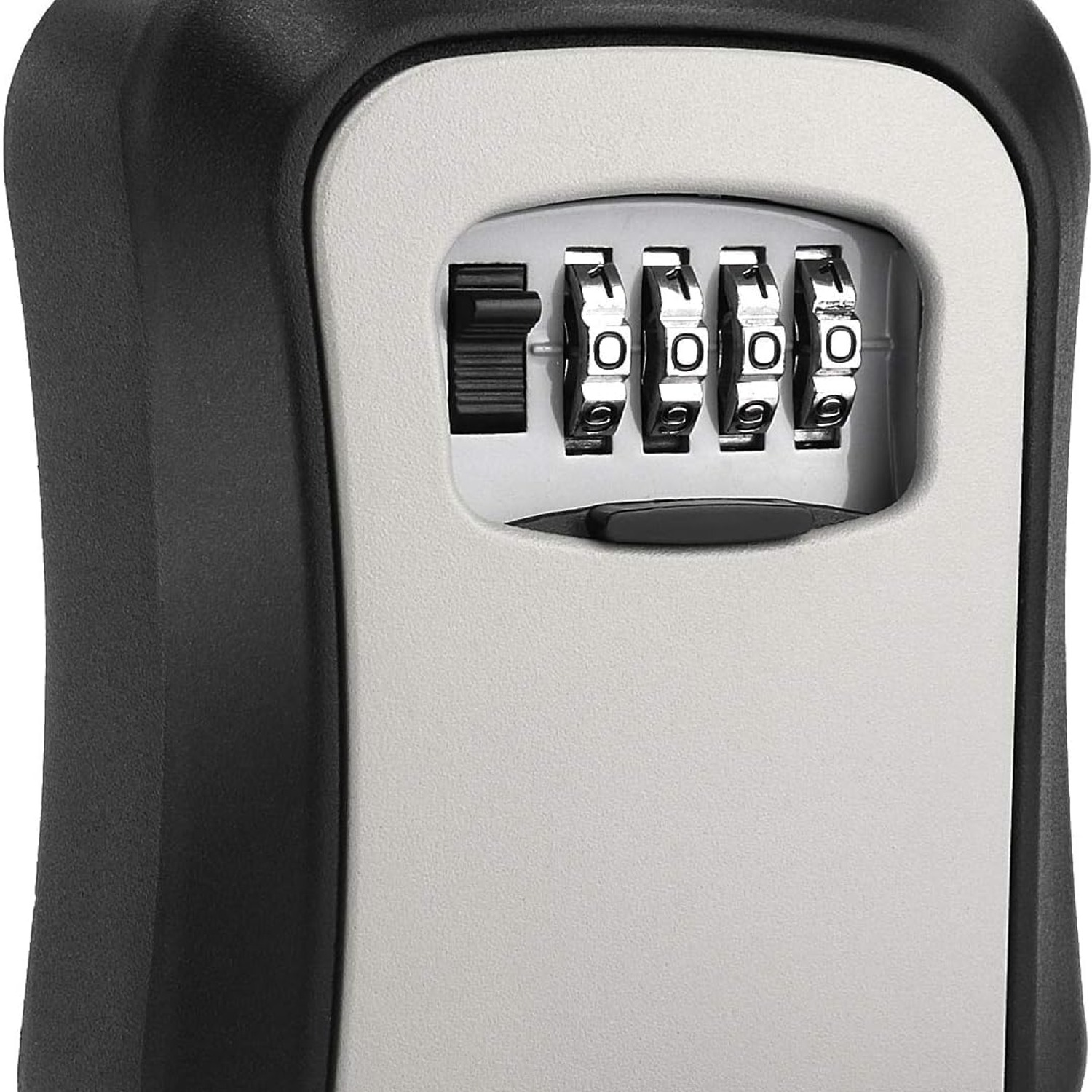
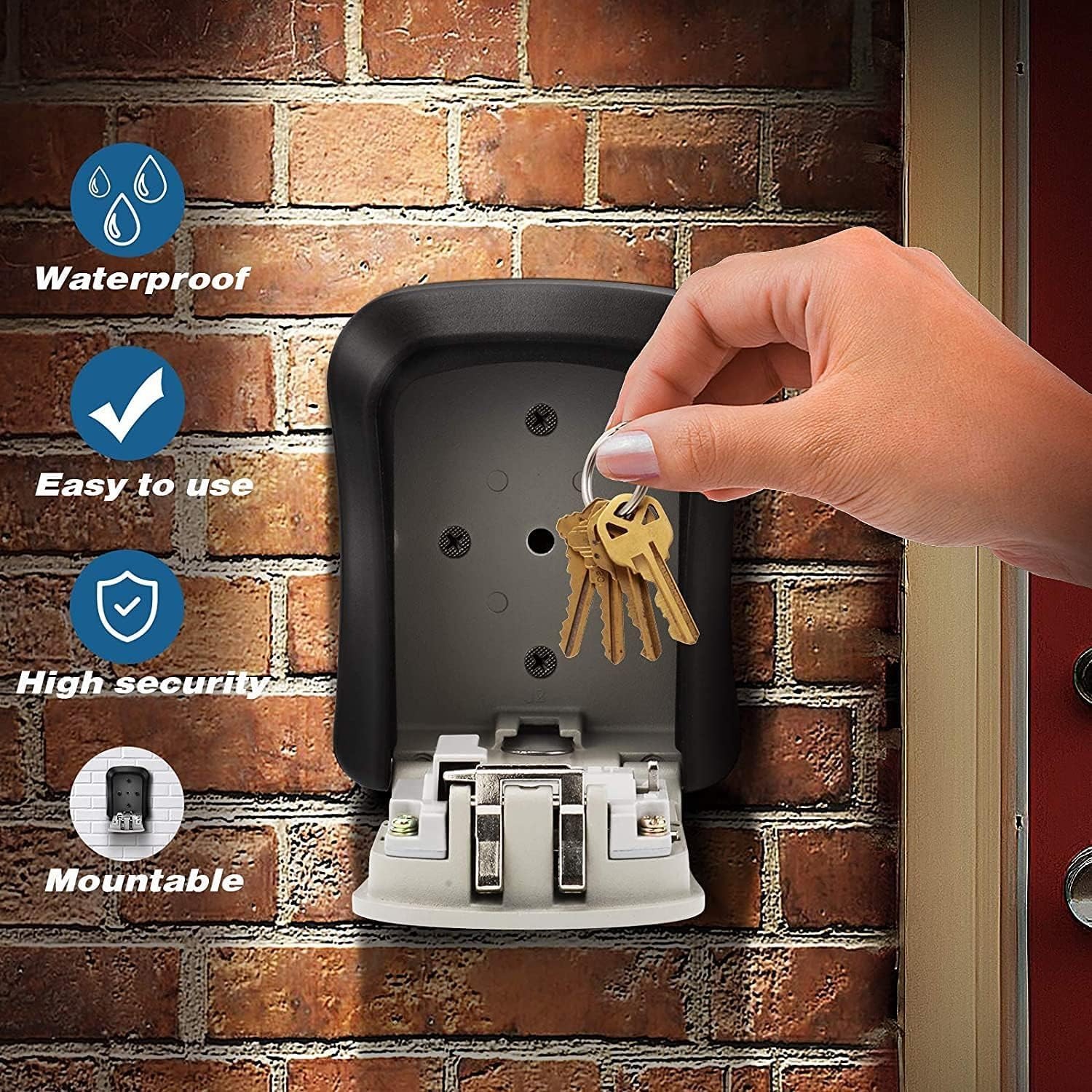
This model has a four-digit combination lock and is made for wall mounting. It is described as weather resistant, with indoor and outdoor use mentioned in the maker details. Those features make it worth considering for everyday spare key storage, but fit and placement deserve a closer look before you buy.
How this combination key box works
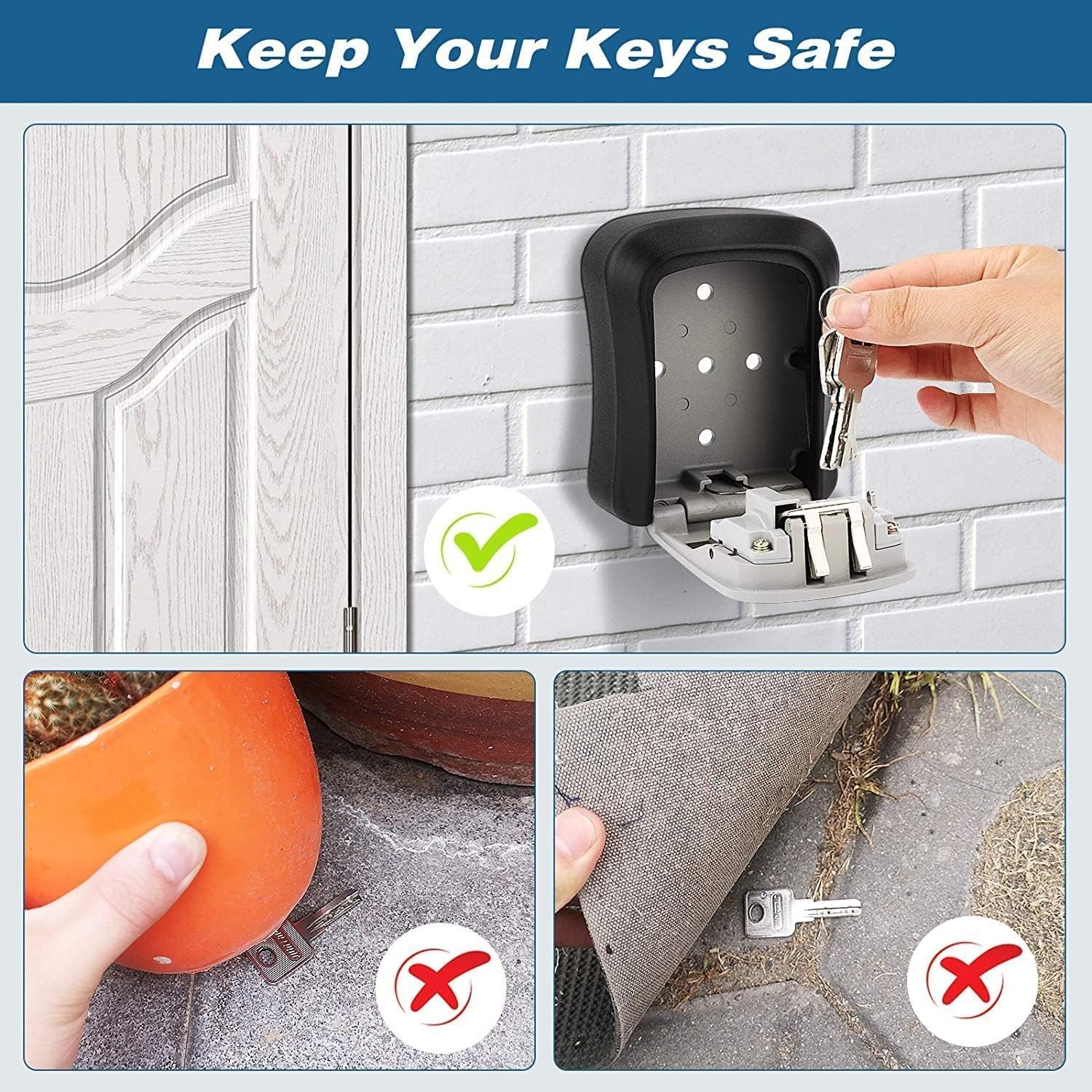
The basic idea is simple. Keys go inside the box, and access is controlled by a four-digit combination. You do not need a separate opening key for the key box itself.
That changes how you manage access. Instead of handing out another physical key, you share the code with the people who need it. You still need clear rules about who can use the box, whether they may pass on the code and when the key should be returned.
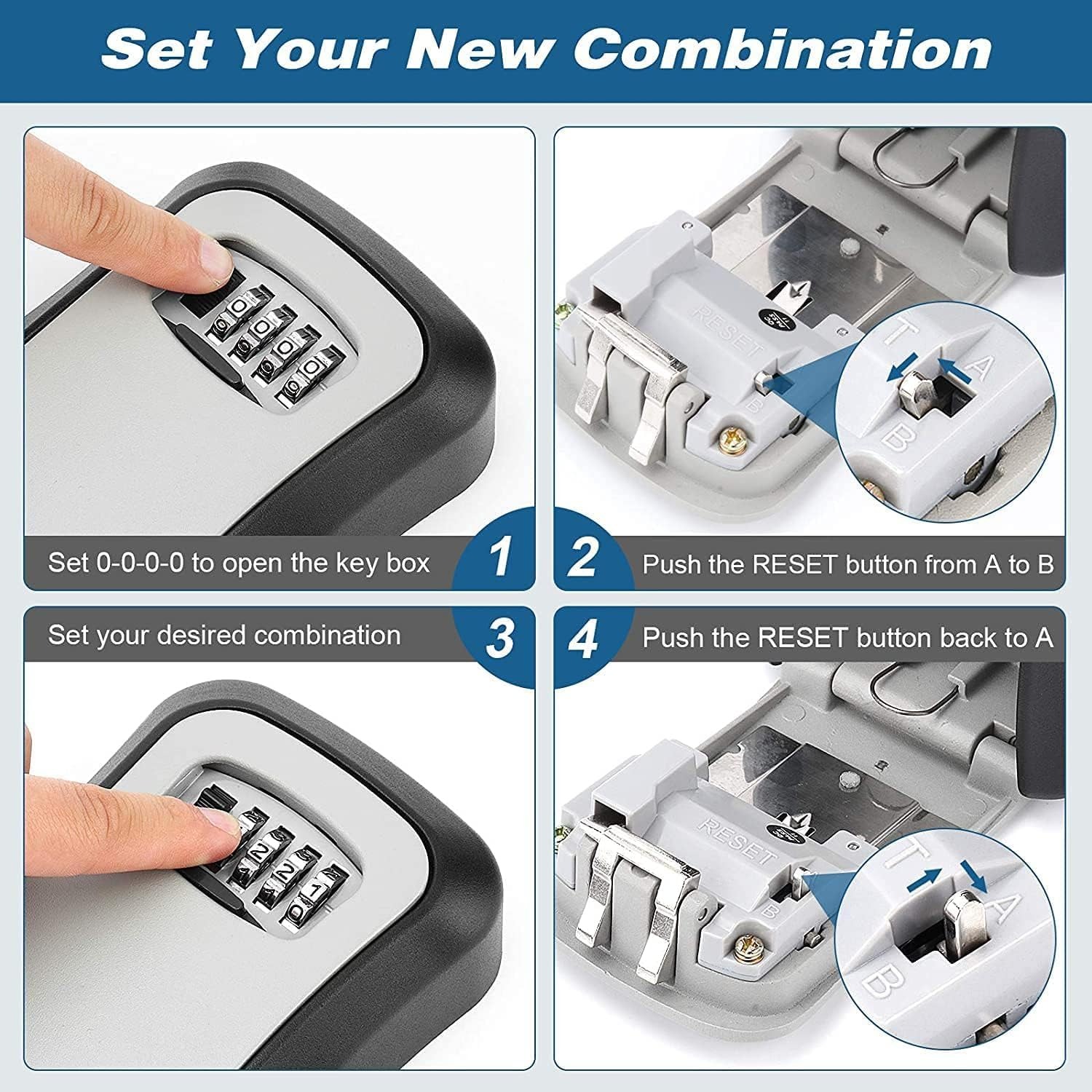
The maker does not explain the code-setting or reset process. If you plan to change access between visitors, confirm that process before ordering. Do not assume that all combination boxes use the same controls.
Once the box arrives, read its instructions and test it before storing a key. Learn how the door closes and how to confirm it is locked. A short practice run is easier to manage while you still have another way into the property.
Check size without guessing about capacity
The listed outer size is 4 cm deep, 9 cm wide and 12 cm high. That gives you a useful starting point for planning wall space. Mark out a rectangle on paper and hold it against the intended location to see how the box might sit.
Outer size does not tell you how much room is available inside. The lock, door and walls take up space. A compact house key may fit very differently from a large plastic-headed key or a ring with several attachments.
There are also two unclear entries in the maker details. Capacity is given as “5 load”, without a defined unit. A separate chamber depth of 12 cm does not match the listed outer depth of 4 cm.
For those reasons, neither entry should be treated as a reliable guide to internal fit. Ask for usable internal measurements if your key bundle is bulky. A small key lock box is only a good choice when the door can close freely with the intended contents inside.
Understand the materials and protection level
The product details list a black and grey finish, a weight of 170 g and a material composition of 10% metal and 90% plastic. It should not be mistaken for an all-metal storage safe.
No burglary resistance rating, fire rating or insurance approval is stated. Those missing details matter if you are buying to meet a specific security requirement. A combination lock alone does not establish a tested level of attack resistance.
Think about what you need the box to do. If the goal is to give trusted people a known place to collect a spare key, the listed features may suit that routine. If an insurer, landlord or care provider requires a particular approval, ask for evidence of that approval before choosing a product.
The same caution applies to other small valuables. The maker mentions them, but the maker does not establish protection suitable for expensive belongings. Choose storage based on the value and risk involved, not just whether an item fits.
Choose an outdoor location with care
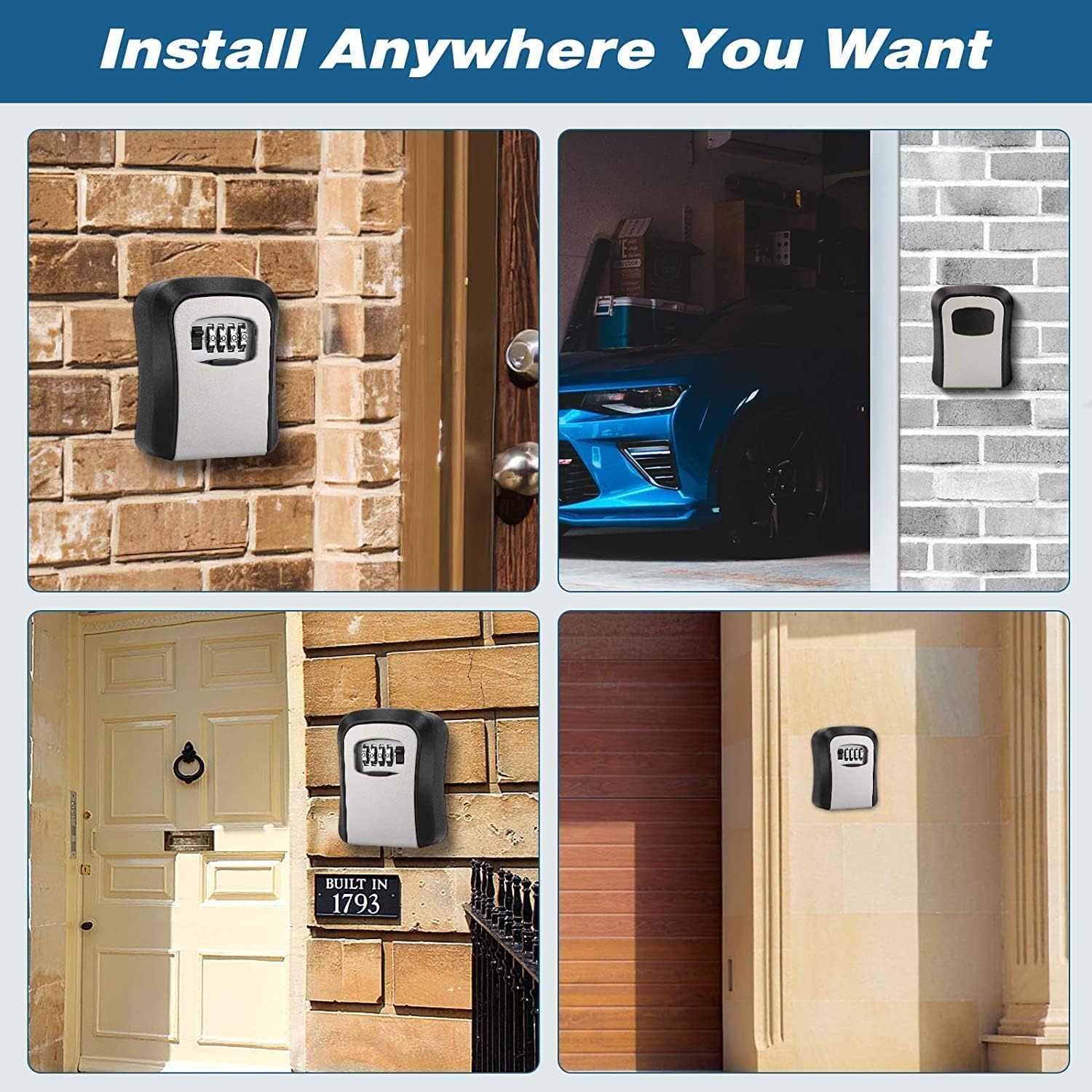
Outdoor key storage works best when the location supports the access plan. A spot that is convenient for one person may be hard for another to reach. Think about height, lighting and the space needed to stand in front of the controls.
This is a weather resistant key box, but no waterproof rating is supplied. A sheltered location is therefore a sensible choice. Avoid treating weather resistance as a promise that the contents will stay dry under every condition.
Privacy matters as well. Where practical, choose a position that makes it harder for passers-by to watch someone enter the code. At the same time, authorised users should not need to stretch, climb or stand somewhere awkward.
Check the approach after dark if evening access is likely. A location that seems clear during the day may be difficult to find or use in poor light. Give trusted users precise directions rather than expecting them to search around the building.
Plan the wall fixing before you drill
This is a wall key storage box, not a hanging model. The maker does not describe a shackle or a fitting for a door handle. Plan for a fixed installation on a suitable surface.
The maker description says mounting hardware is included. However, the component list names only the key box and does not identify screw or plug types. Check the package contents before starting work.
Included hardware should not be assumed suitable for every wall. Masonry, timber and hollow walls can need different fixings. If you are unsure what is behind the surface, get advice before drilling.
You should also have permission to make fixing holes. This is especially important at rented homes or shared entrances. Once installed, check that the box does not move and that opening the door does not pull against the mounting.
Match the box to the people using it
A house key safe can suit households where people arrive at different times. The useful part is the routine around it. Everyone needs to know which key belongs inside and whether it must be returned straight after unlocking the door.
If you are considering a key box for carers, involve the people who will use it. Can they reach the location comfortably? Can they read and operate the controls? Will the key be available when the next visitor arrives?
A rental property key box needs similar planning, with extra attention to changing access between guests. Confirm the reset process rather than assuming it will meet your check-in needs. Also check any rules set by the property owner or insurer.
An indoor key safe may suit a different arrangement, such as keeping a key in one known place within an accessible building. The same questions still apply. The box must be reachable by authorised users, and the code should not be shared more widely than needed.
Build a simple access routine
Before putting the box into regular use, decide who is responsible for it. Someone should know where the instructions are kept and what to do if a user has trouble opening it.
Share the combination through a private channel. Avoid leaving it displayed beside the box or sending it to people who do not need access. If access needs change, follow the product instructions for any supported code change.
Ask users to check the closure after returning the key. An overcrowded box or a key sitting across an edge can interfere with closing. Do not force the door to make a bundle fit.
Keep another sensible access plan while you test the arrangement. This is particularly important at the start, when people are still learning the controls. A spare house key box should reduce confusion, not become the only untested route into the home.
Keep care simple and check it regularly
Basic care starts with keeping the outside clean. Wipe it with a soft cloth and dry it after cleaning. Avoid harsh cleaners, and keep dirt away from the combination controls and door edges.
Check the fixing from time to time, especially if the box gets frequent use. Look for movement and make sure the door still closes properly. If something becomes stiff, do not force it.
No detailed maintenance schedule or approved lubricant is stated in the maker's description. Use the supplied care instructions for anything beyond gentle cleaning. If outdoor exposure causes problems, review the location as well as the box itself.
The short version
This four digit key safe offers wall-mounted storage, combination access and a weather-resistant design. Its listed outer size is compact, but usable internal space is not confirmed.
Choose it only after checking your key size, mounting surface and access routine. If you need a stated security rating or a verified code-reset method, confirm those details first. The right choice is the one that fits both your keys and the way trusted people will use them.