
The complete guide
Choosing an Electronic Safe for Everyday Valuables
Give important belongings a regular home
A passport in one drawer, spare cash in another and jewellery left on a shelf can make small valuables hard to keep track of. A dedicated locked space gives those items a regular home. It also gives you a clear routine for putting them away.
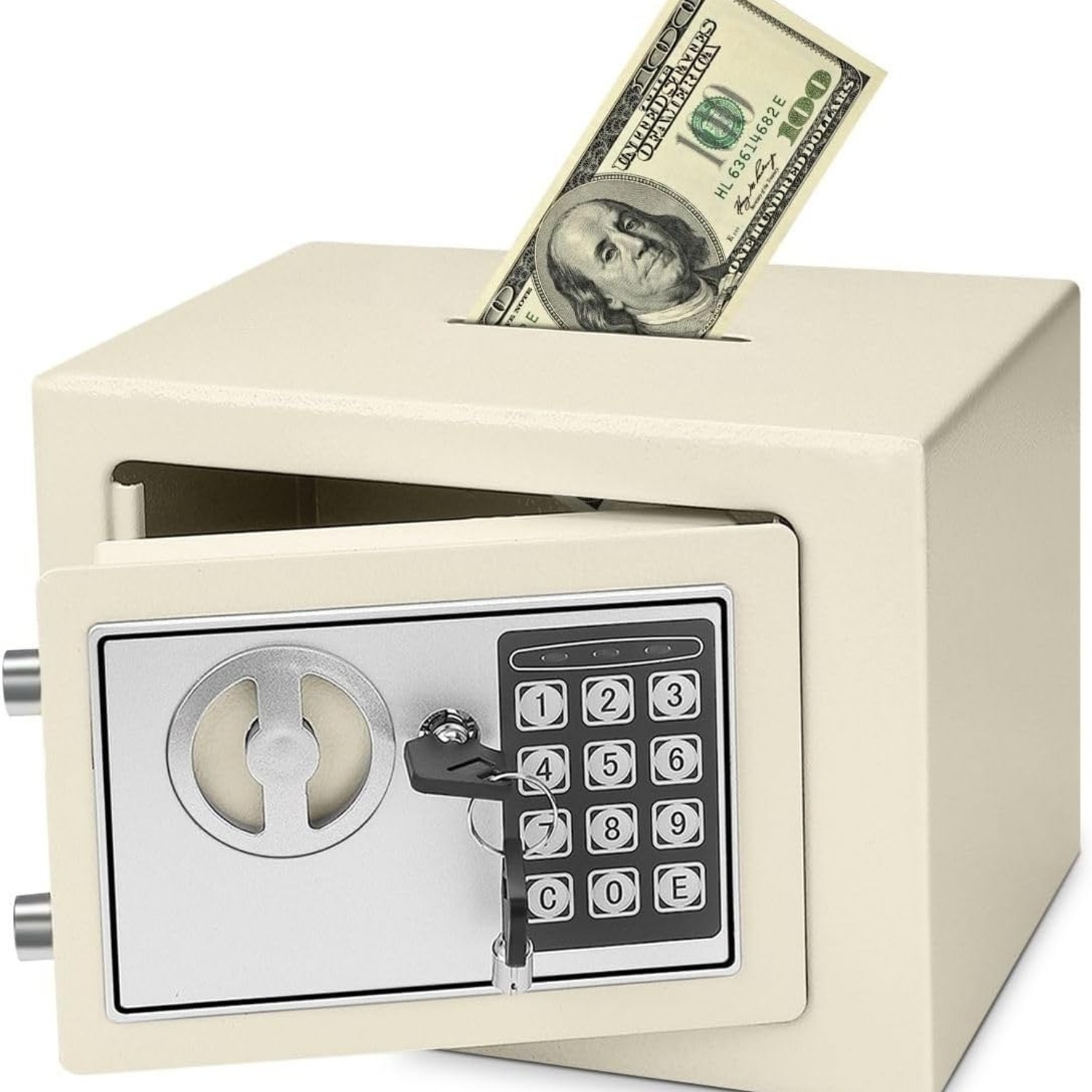
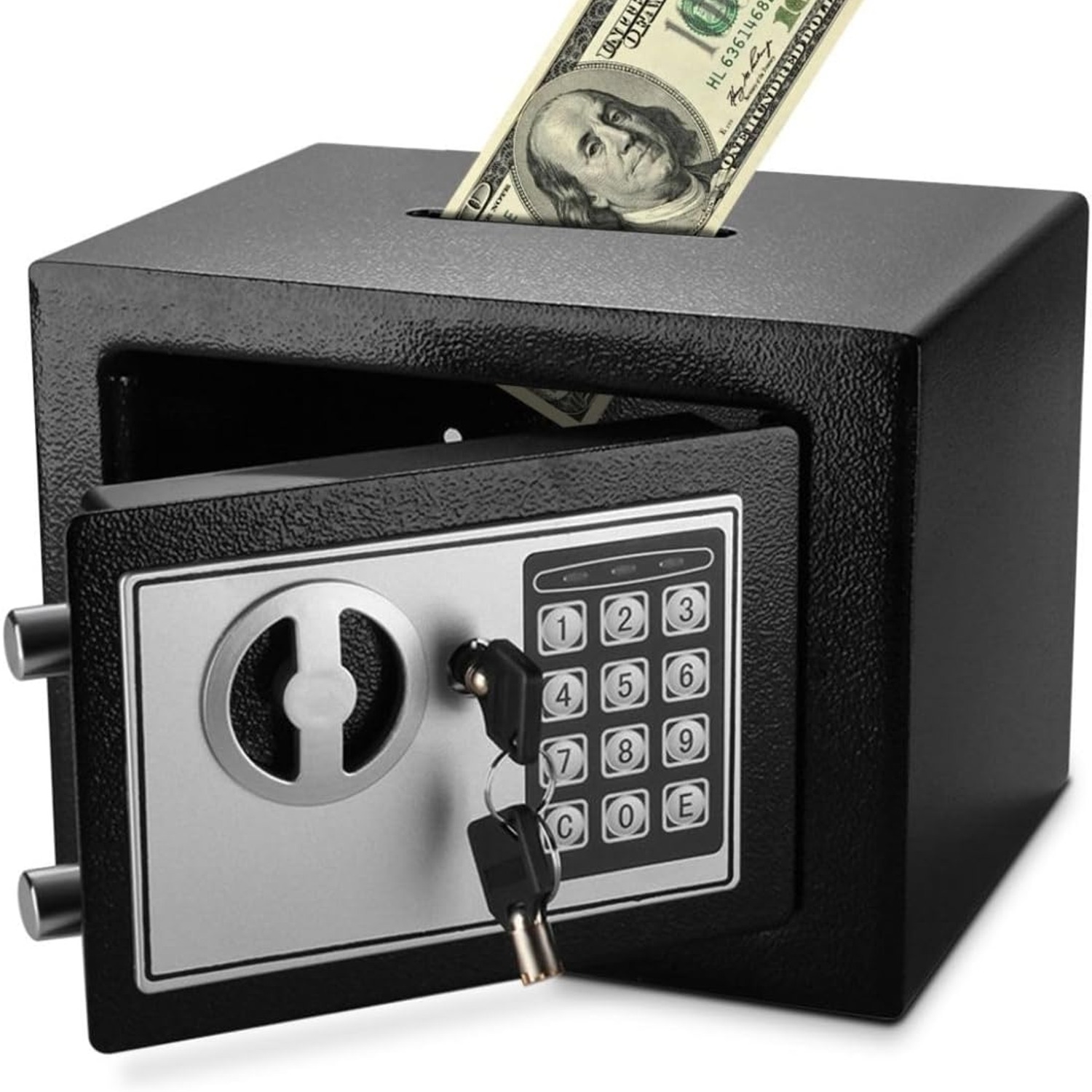
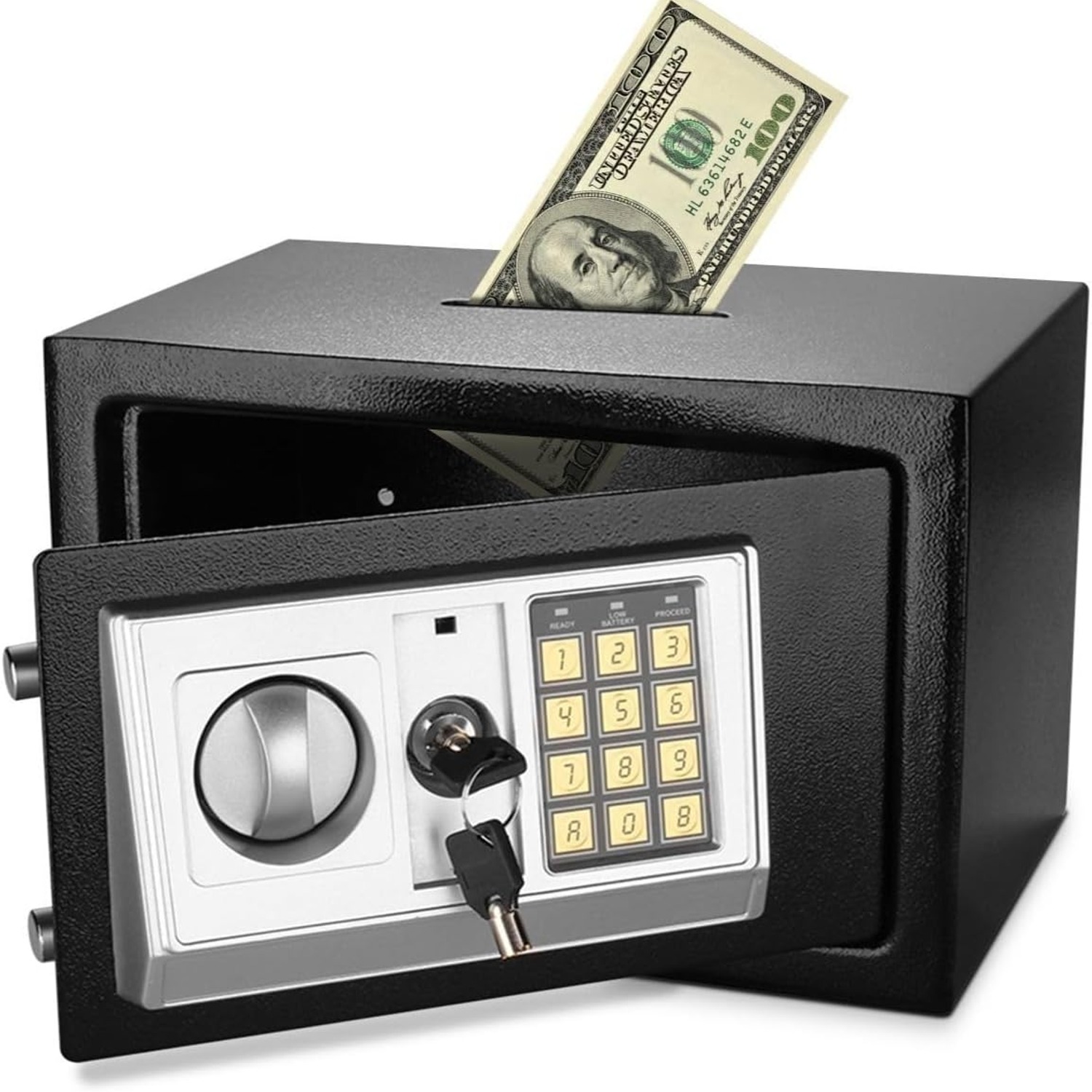
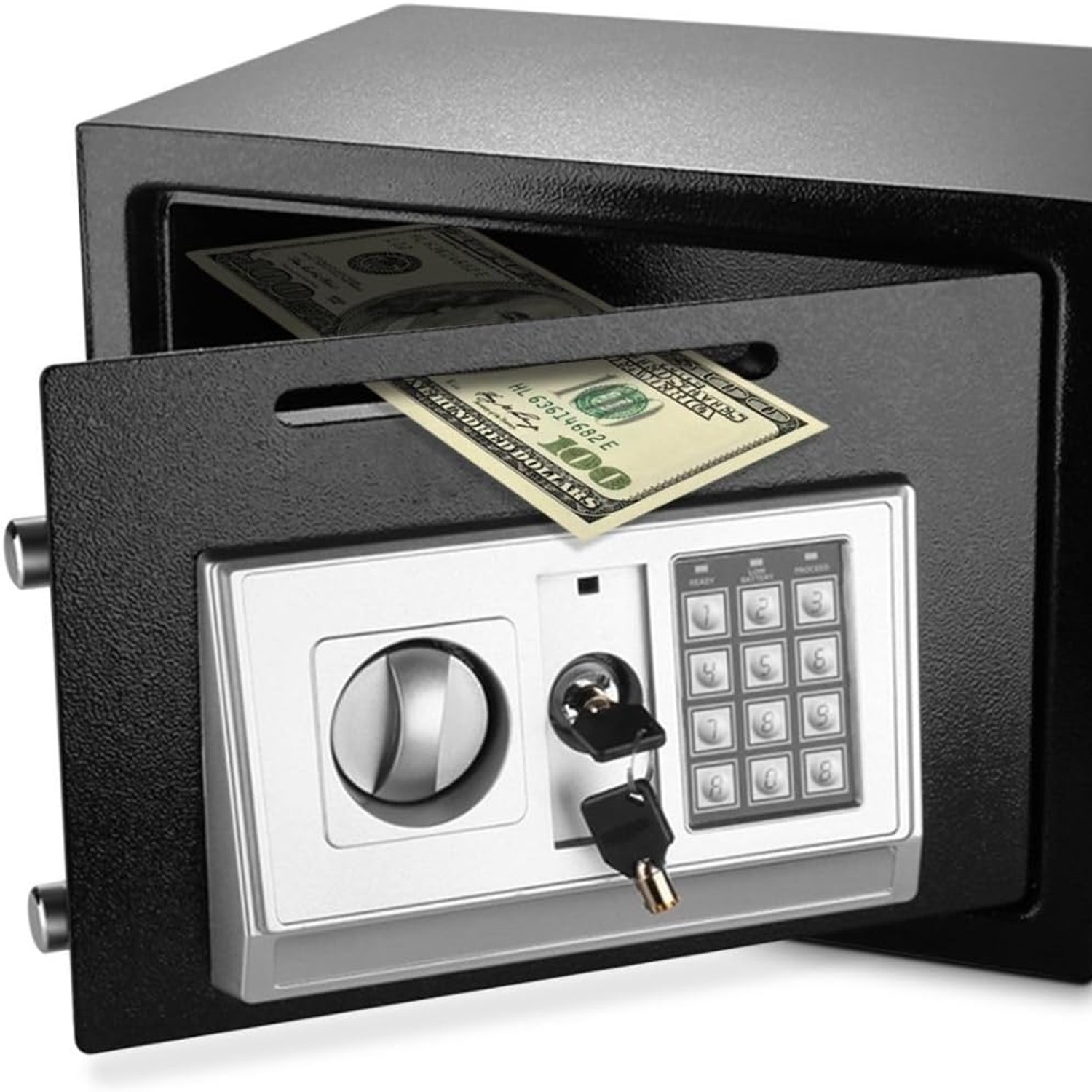
This electronic safe combines keypad access with backup keys in a compact steel body. Its listed capacity is 550 cubic inches, with an adjustable shelf for arranging smaller items. It is worth considering when your main need is organised, locked storage rather than a large cabinet.
The important step is to match the safe to your actual needs. Size, access and mounting all matter. So do the limits of the product. This model is not water resistant, and the maker does not provide a fire or burglary rating.
How the keypad and backup keys work
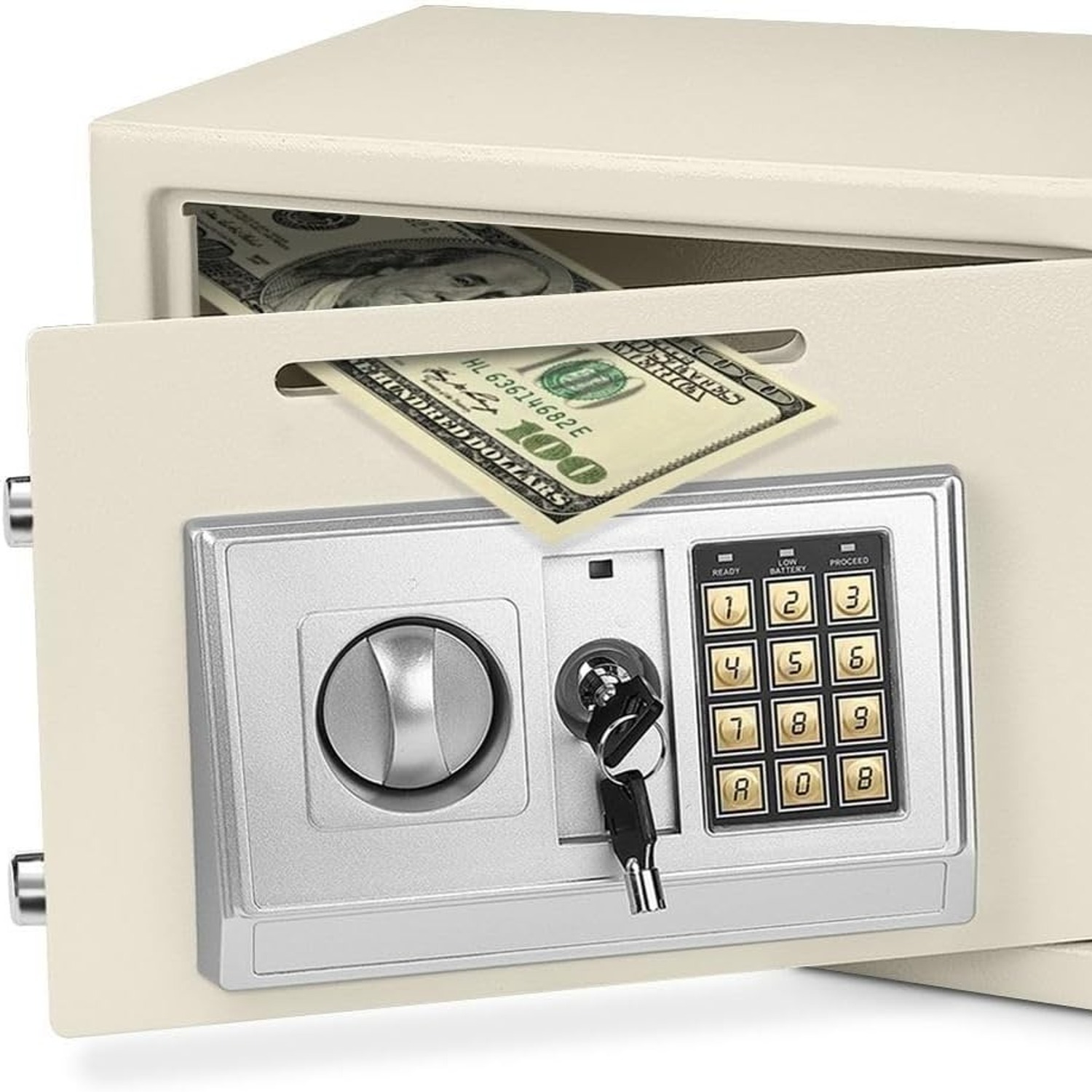
A digital home safe lets you use a code instead of finding a key each time you want to open it. This model has push-button controls and a programmable eight-digit code. Setup should follow the instructions supplied with the safe, rather than a general guide for another model.
Before placing anything inside, practise opening and closing the safe with the door open. Check that you understand the code-setting process and that the locking parts move without an obstruction. This is a useful habit whenever you first set up a safe with code access.
A lockout mechanism is described after repeated incorrect PIN entries. The maker's description does not say how many attempts trigger it or how long it lasts. Do not assume it works the same way as a safe you have used before.
Two override keys provide another route in if the code is forgotten or the batteries run out. Store them outside the safe in a secure place. Keeping both inside would remove their value as a backup when the keypad cannot be used.
Start with what you want to store
Before choosing a small safe box, gather the items you expect to keep in it. Look at their shape as well as their total size. A stack of notes, a passport wallet and a jewellery case each use space differently.
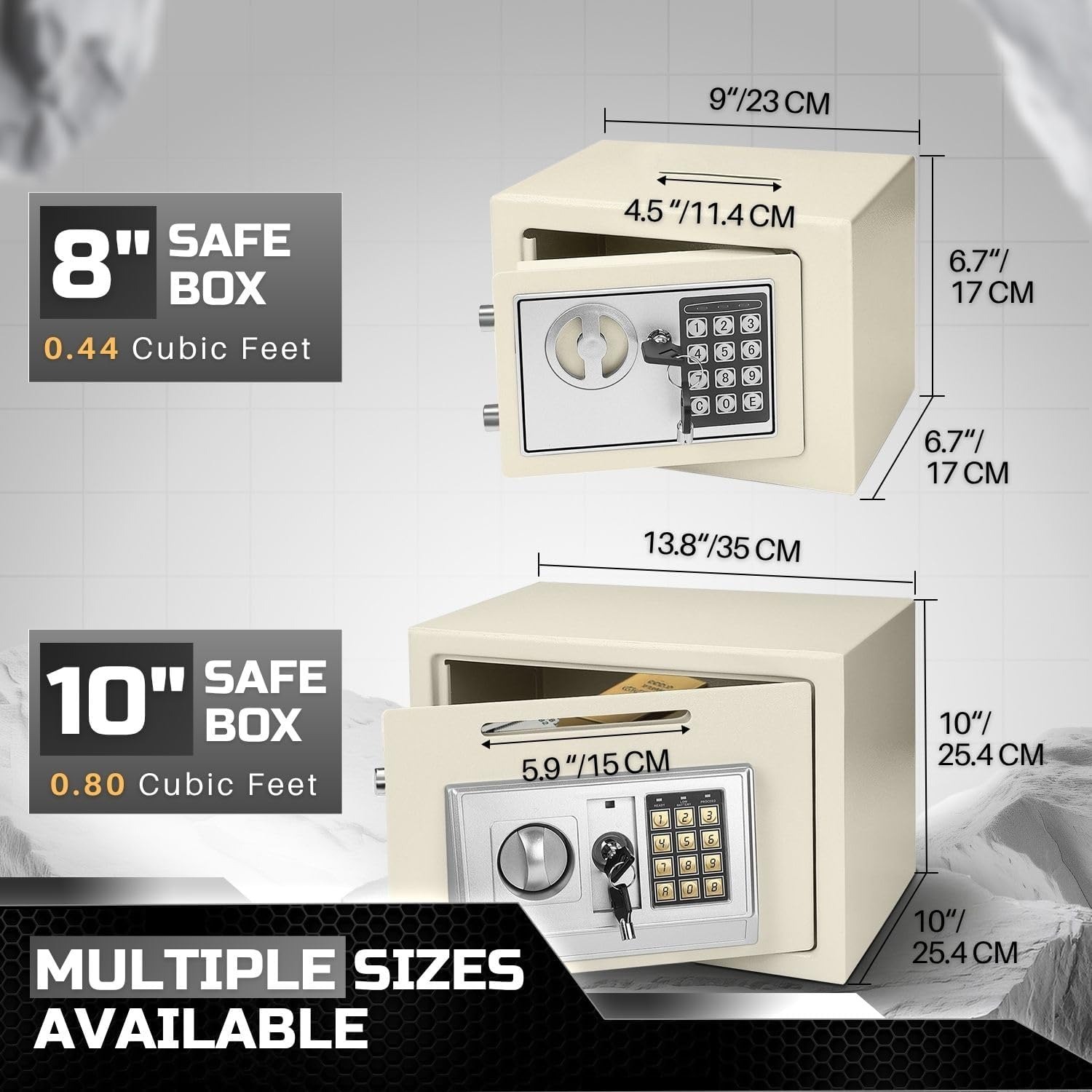
The listed external measurements are 20.3 cm deep, 30.5 cm wide and 20.3 cm high. The chamber measurements are given separately as 12 inches wide, 18 cm deep and 7 inches high. Use these as a starting point, but confirm clearance when an item is a close fit.
Do not assume full-size papers will lie flat. A home document safe needs enough room for the actual folder, envelope or protective sleeve, not just the paper inside it. If flat document storage is your main aim, compare those measurements carefully before ordering.
Leave some working room, too. A safe that only fits when every object is packed tightly may be awkward for daily use. You should be able to remove the item you need without emptying everything else onto a table.
Make the most of the adjustable shelf
The adjustable shelf gives you a way to separate smaller belongings. It may help you keep jewellery apart from cash or stop a passport wallet from sitting beneath a pile of other items.
Plan the layout around the things you reach for most often. Frequently used items should be easy to see and remove. Less-used items can sit elsewhere, as long as they do not interfere with the door or locking parts.
The shelf load limit and number of positions are not specified. Avoid assuming that the shelf is intended for heavy objects. Small pouches or cases can help with organisation, though they are not listed as included with this adjustable shelf safe.
Choose a place before you buy
A compact footprint offers more placement choices, but a suitable location still needs thought. Measure the space and allow room to open the door. Check that you can see and reach the keypad without having to move surrounding items.
Choose a dry indoor position. This safe is listed as not water resistant, so avoid locations exposed to splashes, leaking pipes or damp conditions. A space that looks tidy is not always a good storage spot if moisture is likely.
Think about your daily routine as well. If putting something away is awkward, it may end up left on a counter instead. A useful location balances access for intended users with sensible privacy from visitors.
Also plan where the override keys will live. They need their own secure location, separate from the safe, without being so hard to find that backup access becomes a problem.
Understand the mounting options
Floor and wall mounting are listed, and mounting hardware is included. The reference details also describe securing the safe to a shelf. Each option needs a suitable supporting surface and installation that follows the supplied directions.
A wall mount safe should not be fitted based only on where it looks neat. The wall material and the fixing position matter. The same applies to a floor mount safe, where the surface beneath the finish may affect the work required.
Included hardware does not mean every surface is suitable. If you are unsure what is behind a wall or beneath a floor, ask someone qualified before drilling. Renters should also check whether they have permission to make holes.
At 2.72 kg, this is a relatively light item to handle compared with larger safes. Do not treat its weight as protection against removal. Consider the mounting plan as part of the purchase decision, not as an afterthought once it arrives.
Know what the steel construction tells you
The product details list alloy steel, live-door bolts and concealed hinges. These describe the body and locking arrangement. They do not establish a tested resistance level.
No steel thickness, burglary rating or certification is given in the maker's description. That distinction matters when you compare products. A description of physical features is different from a stated result under a named test.
The same care applies to insurance. If you plan to store high-value items, ask your insurer what it requires before choosing a steel home safe. Do not assume that any locked box meets the terms of your cover.
This model may suit a need for dedicated locked storage, but the maker does not support claims that it is theft-proof. Choose according to the information available and the level of protection your belongings require.
Be clear about fire and water protection
A lock and a steel body do not establish fire protection. No fire rating is given by the maker, so this safe should not be selected on the assumption that it will protect papers or valuables during a fire.
Water protection is clearer. The product details say it is not water resistant. Keep it away from likely leaks and do not expect it to keep contents dry during flooding or firefighting.
If fire or water protection is central to your purchase, look for a product with stated ratings that match your needs. It is better to settle that question before buying than to discover later that a key requirement was never confirmed.
Consider cash storage with care
A money safe for cash can give notes and other small valuables a regular locked location. The keypad may be convenient when access is needed often, while the shelf can help keep contents in order.
The reference description mentions a drop slot, but its dimensions and layout are not given by the maker. If you need a cash drop safe for deposits without opening the main door, confirm the opening and its operation before purchase.
Business use may also bring requirements that are not covered by a basic product listing. Think about who needs access, how keys will be controlled and whether your insurer requires a particular rating. The maker does not establish commercial or insurance approval.
Keep care and access simple
Routine care starts with keeping the safe dry and free of dust. Wipe the exterior with a soft cloth, and keep moisture away from the keypad and lock. Do not soak the surface or leave it wet after cleaning.
The battery type, quantity and expected life are not specified. Check the supplied instructions for those details and follow their guidance for replacement. Avoid guessing based on the appearance of the keypad.
Keep belongings clear of the locking areas so the door can close properly. If access begins to behave differently, refer to the instructions rather than forcing the door or controls. Keep the override keys available in their separate secure place.
The short version
This electronic safe offers a programmable eight-digit keypad, two override keys, an adjustable shelf and mounting hardware. Its compact size may suit cash, passports and smaller valuables when their dimensions fit the available space.
Measure first, plan a dry location and decide how you will mount it. Remember that it is not water resistant and has no stated fire or burglary rating. Those checks will help you decide whether it meets your needs or whether a differently sized or rated safe would be a better choice.