
The complete guide
Choosing a Key Lock Box for Shared Spare-Key Access
A fixed place for the spare key
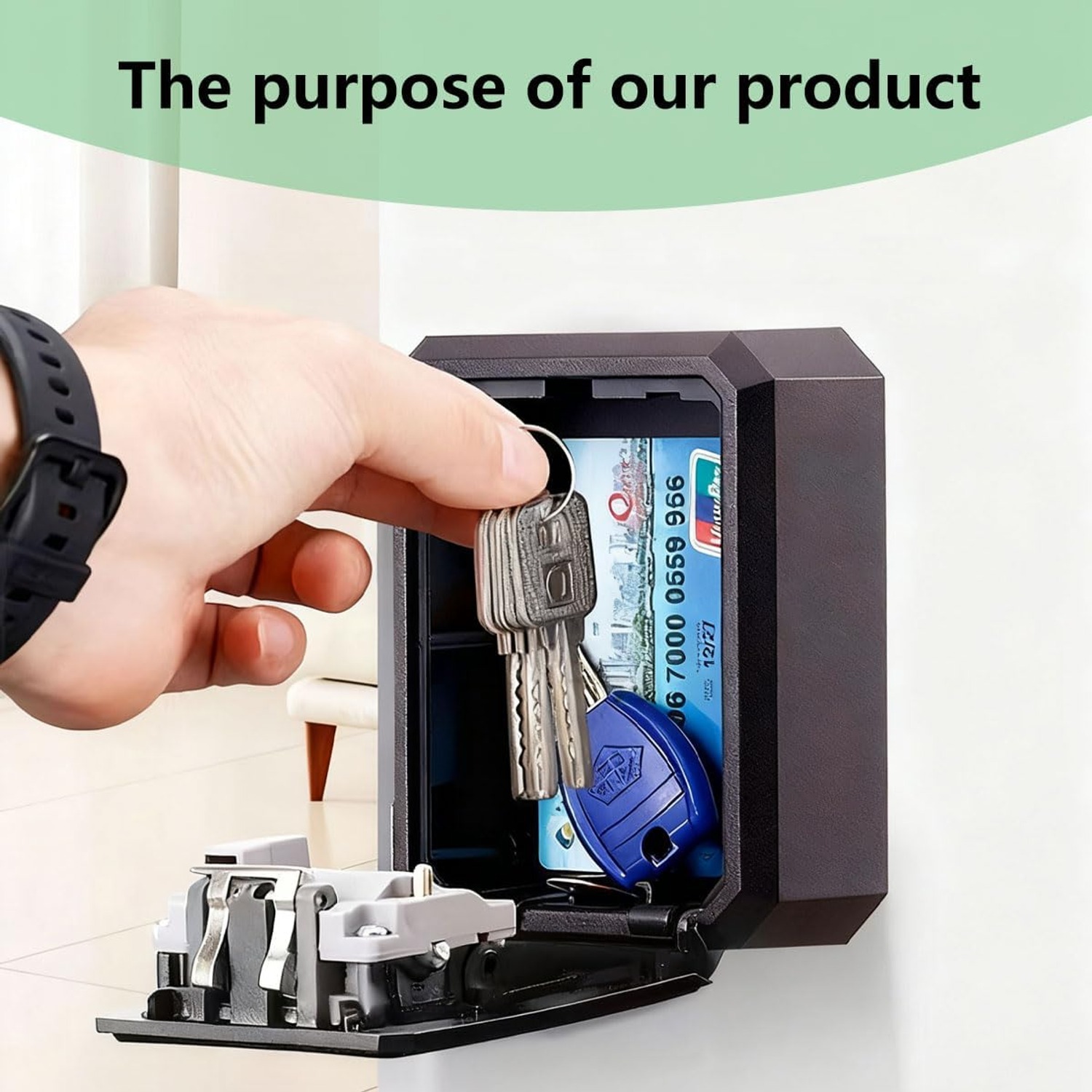
A spare key is helpful only when the right person can find it. Leaving it loose creates problems, while passing it from person to person can mean missed visits and extra trips. A combination key box gives that key a designated home and lets you agree who may collect it.
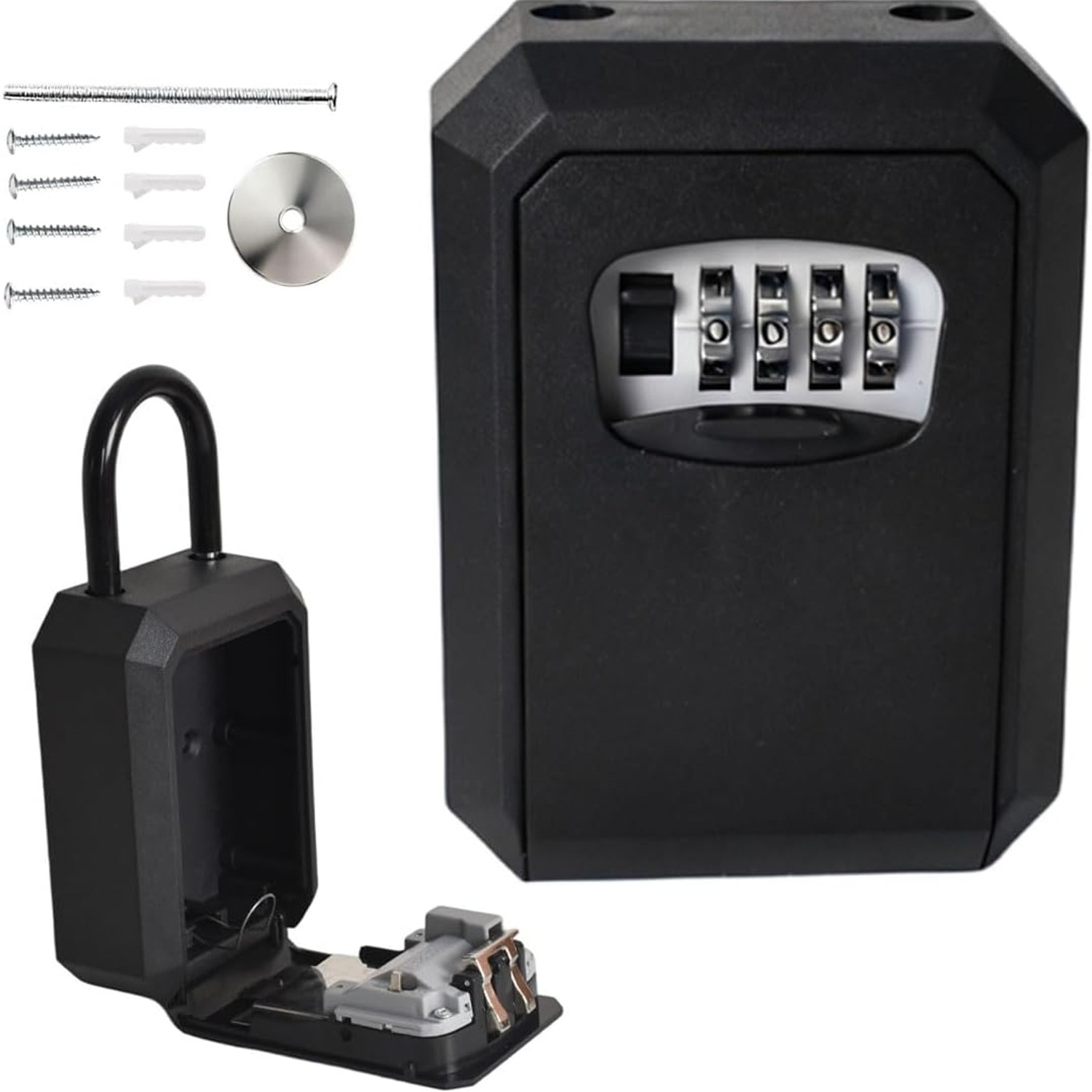
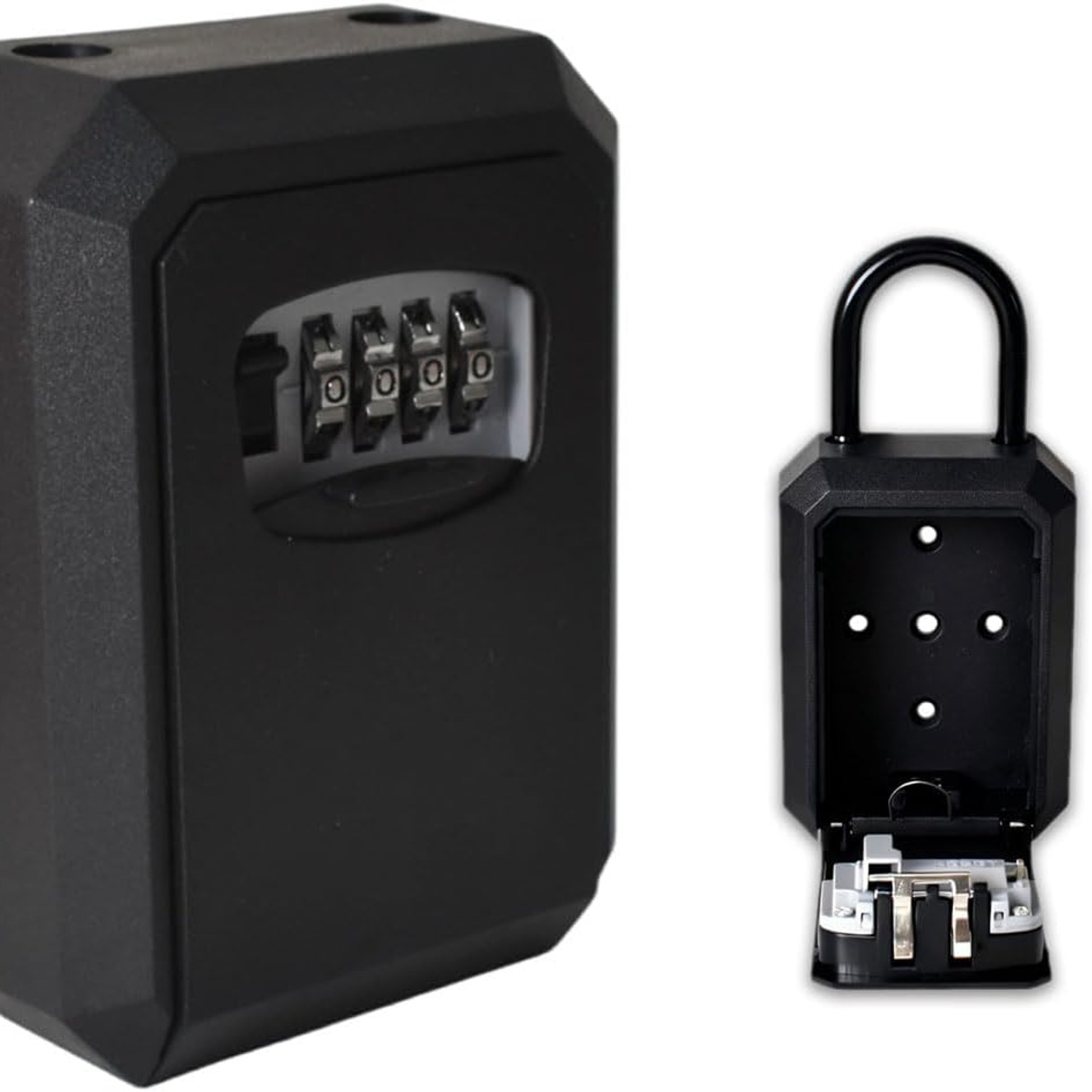
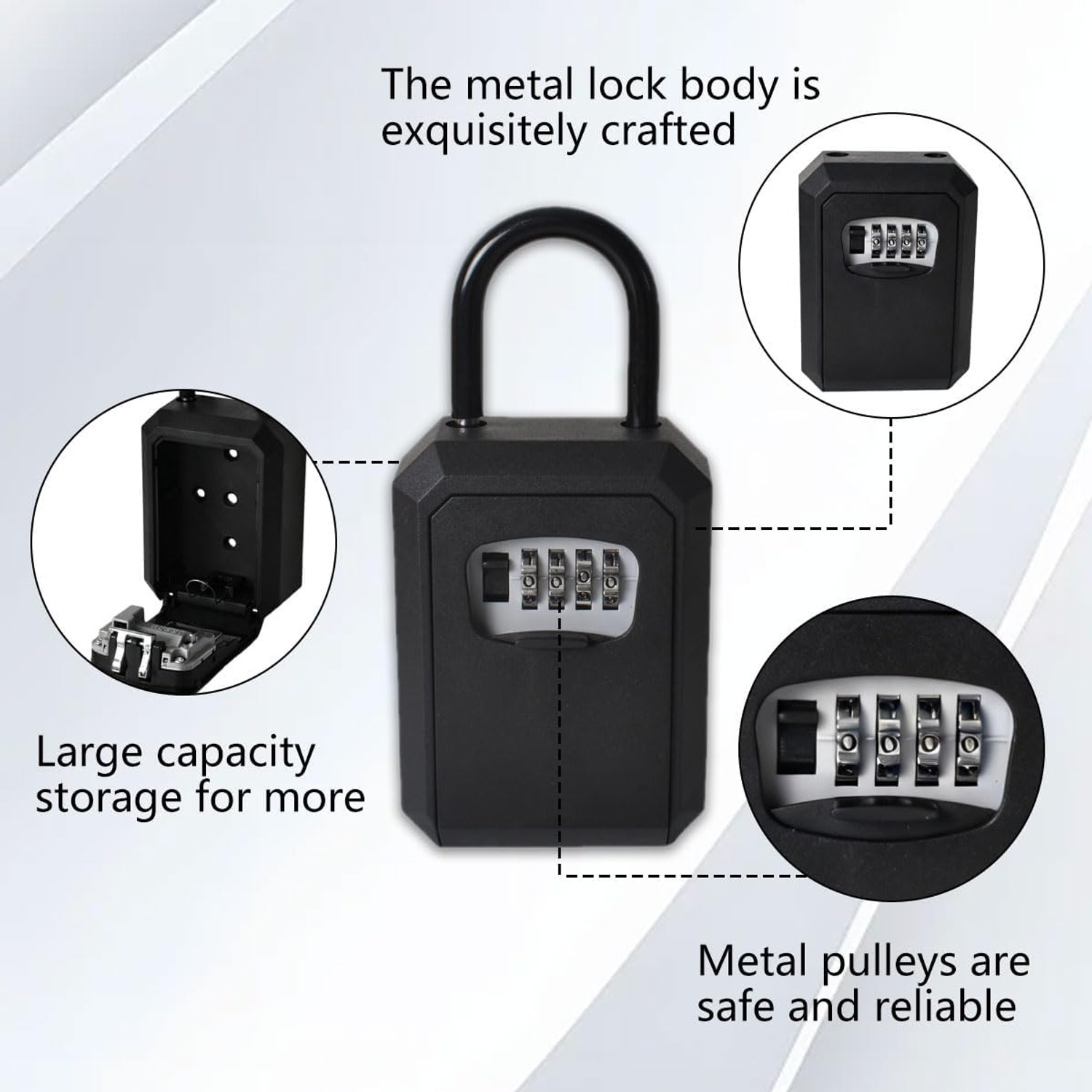
This key lock box with shackle offers hanging and wall-mounted use. It has a resettable four-digit mechanical lock, so access depends on knowing the code rather than carrying another opening key.
That makes it worth considering for planned visits, shared household access or occasional guest arrivals. Still, choosing a key box calls for more than checking its appearance. The key must fit, the attachment must suit the property, and the level of protection must match your needs.
How the combination system works
The box uses four code wheels and a mechanical locking system. Its listed starting combination is 0000. A lever switch allows you to set a personal code, and the previous code stops working after a successful change.
Before storing anything, read the supplied instructions and practise the reset process with the compartment open. Test the new combination before you close the door. This small step helps avoid finding out too late that the code was not set as intended.
A resettable key lock box also needs a simple access routine. Decide who can receive the code and when it should change. A temporary visitor does not need ongoing access once their visit is over.
Avoid sending the combination to a large group when only one person needs it. The usefulness of a shared access key safe depends in part on keeping that information private.
Hanging or wall mounted?
The removable shackle gives this portable key safe a hanging option. That may be useful where you do not want a permanent fixing, provided there is a suitable attachment point.
Do not assume every handle or rail will work. The maker's description does not state shackle thickness or internal clearance. Check that the box can attach properly and cannot simply slide off the end of the chosen fitting. Also consider whether the handle, rail or fixture itself is secure.
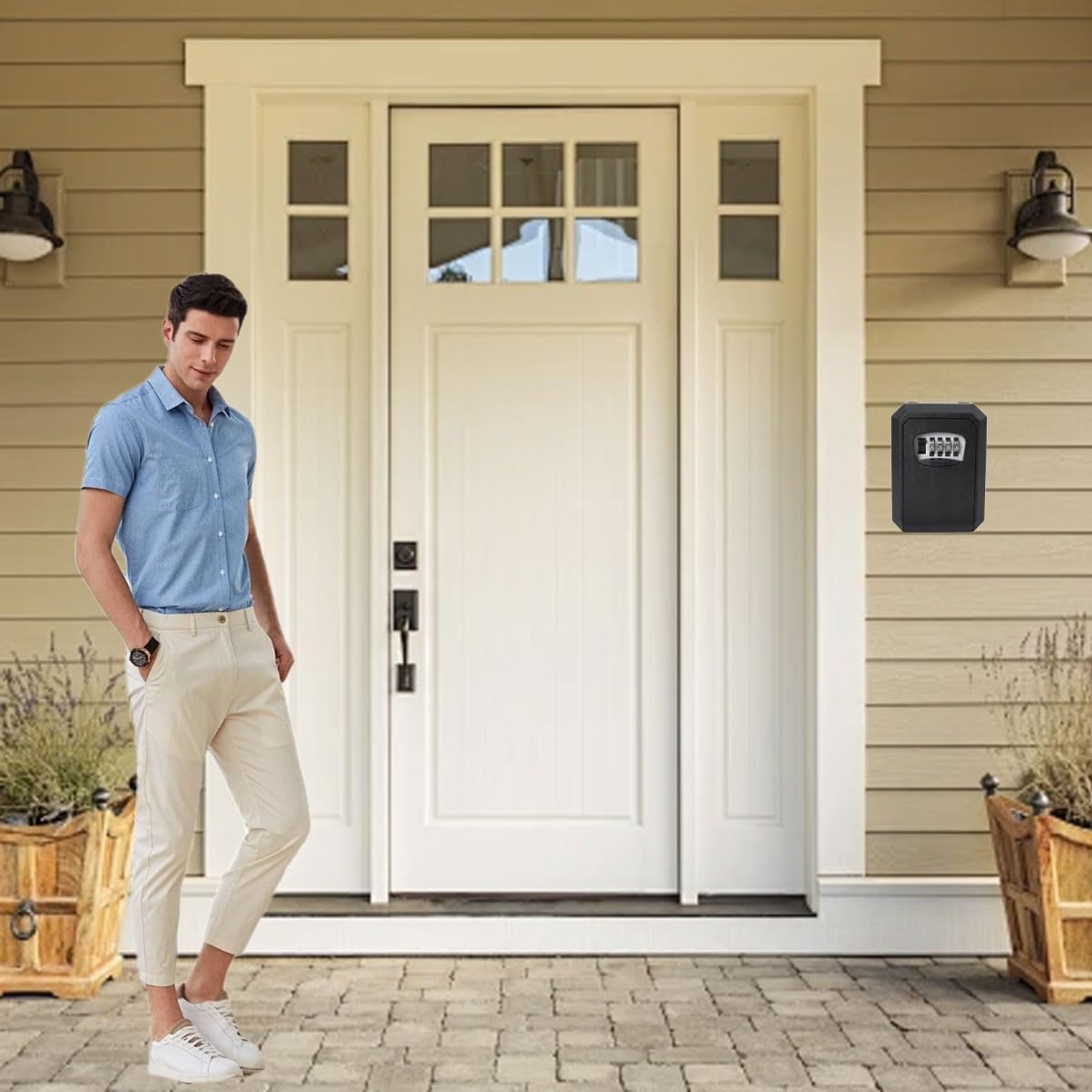
For a fixed location, the description lists adhesive wall mounting and drilled expansion screw fixing. These are different approaches, and the right choice depends on the surface, permission to install and the supplied instructions.
An adhesive method still needs a suitable surface. Do not assume it will bond well to rough masonry, flaking paint or a damp wall. Drilled installation also needs fixings that suit the wall construction.
The confirmed contents list one key lock box. There is no separate inventory of adhesive or mounting hardware, so check what is supplied before planning the job.
Check size before capacity
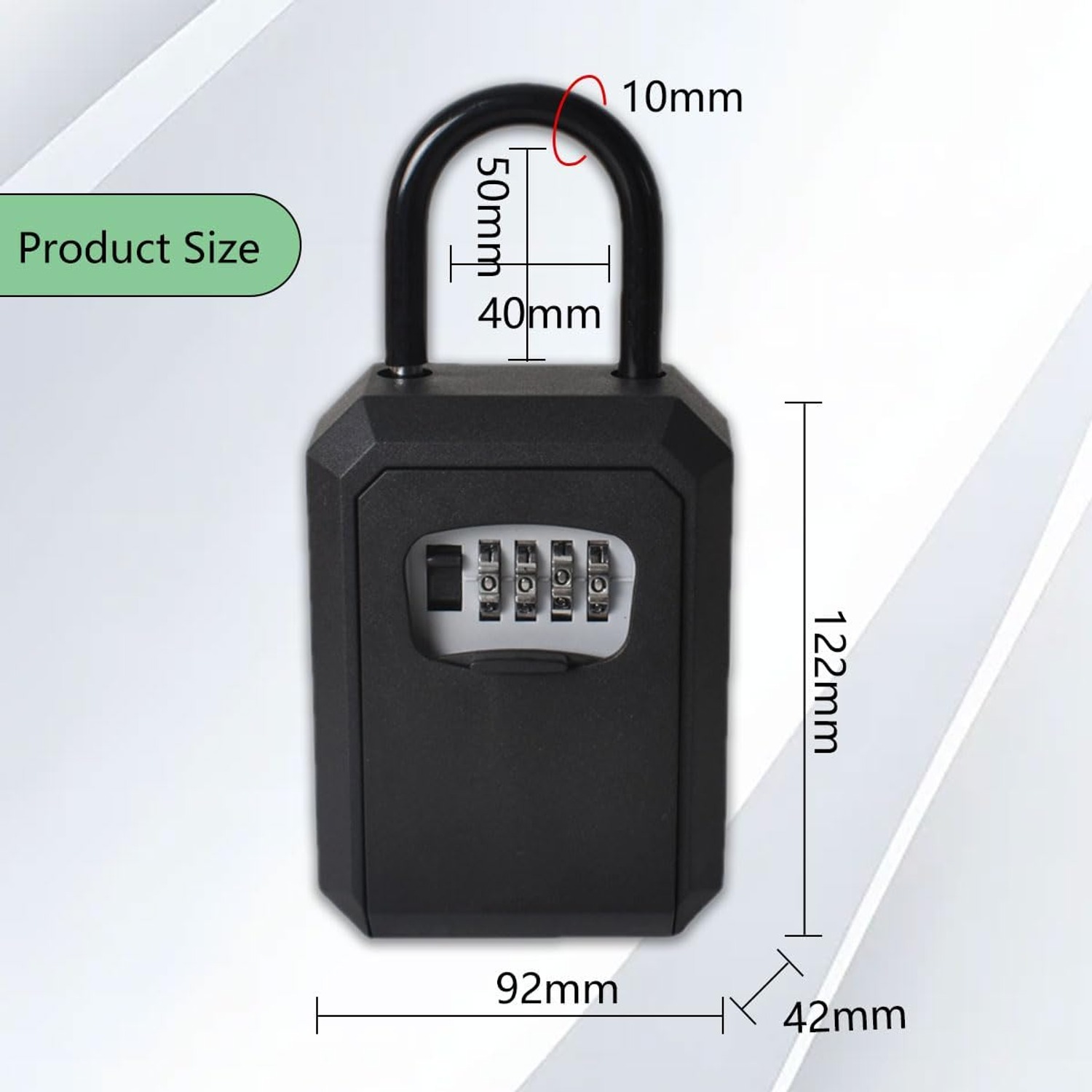
The listed external dimensions are 4.2 cm deep, 9.2 cm wide and 12.2 cm high. The box weighs 288 g. These figures help you picture its overall size, but they do not tell you exactly what fits inside.
Internal measurements are not stated. Neither is a fixed key capacity. A few plain keys and a bulky car-key fob take up very different amounts of space, even if the item count is the same.
When choosing a compact key safe, think about the whole key set. Include the ring, plastic key heads and any tags. Extra attachments may prevent the door from closing even when the key blades appear small enough.
The description advises keeping keys neat and avoiding overcrowding. Nothing should press against or obstruct the closing mechanism. If you need to push the contents down hard to close the door, reduce the load rather than forcing it.
Materials and protection, without guesswork
The description lists aluminium alloy and metal construction, with a black finish. A sliding cover hides the combination wheels when they are not in use.
Those are useful product details, but they are not the same as tested security performance. No burglary resistance grade, fire rating or certification is provided in the maker's description. There is also no stated insurance approval.
Choose it as a key-management tool, not as a rated safe for high-value belongings. If your insurer, workplace or property manager requires a particular standard, ask for evidence of that standard before buying.
The same care applies to weather claims. Indoor and outdoor uses are described, but no formal weather protection rating is supplied. A sheltered position is a sensible precaution. Do not infer protection against flooding, immersion or severe exposure from the general description.
Who it may suit
For a household, spare key storage can reduce the need to carry out every handover in person. It may help when someone arrives at a different time or needs agreed access while another household member is away.
An apartment key box needs a little more planning. Shared doors, railings and entrance areas may be governed by building rules. Ask permission before installing anything, and avoid a position that blocks access or interferes with a door.
Guest key storage can also work well with a clear routine. Explain where the box is, how to return the key and when access ends. Change the combination between users when appropriate.
Offices and guesthouses are among the settings described by the maker. In a workplace, first check whether a shared code fits the access policy. Some sites need individual access records or a different level of physical security that this product does not claim to provide.
Choosing a sensible location
A useful location balances access with privacy. Someone who has permission should be able to reach the box and read the wheels without struggling. At the same time, avoid making the combination easy for a passer-by to watch.
Think about lighting and hand space. A cramped corner might look tidy but make opening the box awkward. Leave room for the door to open and for a person to remove and return the key without dropping it.
For a hanging combination key box, check that movement will not cause repeated knocks against nearby surfaces. For wall mounting, consider both the wall condition and what may be behind it before drilling.
Location also affects upkeep. A sheltered spot that is easy to inspect makes regular checks simpler. Do not choose somewhere you cannot comfortably reach just because it is out of sight.
Setting up a clear handover routine
The hardware is only one part of shared access. A short set of instructions can prevent many avoidable problems.
Tell the user which key to take and where it must be returned. Ask them to close the compartment fully, move the wheels away from the opening code and close the sliding cover. They should check that the box is locked before leaving.
Keep a private record of the current code in a place separate from the box. Do not label the outside with the combination or leave it in a note nearby.
If several people use the key, decide who is responsible for code changes and monthly checks. Without a named person, small issues can go unnoticed until someone needs access.
Care and regular checks
Wipe the outside with a soft cloth and dry it after cleaning. Keep the code wheels free from grit. Avoid forcing the door or wheels if something feels wrong.
The description recommends monthly safety checks. Inspect the shackle or mounting point, look for loose attachments and test the lock. Do this with the key safely outside the compartment so you can investigate a problem without losing access.
Check the contents too. Remove old tags and spare rings that no longer serve a purpose. A tidy compartment gives the mechanism room to close as intended.
After changing the code, repeat the open-door test. After a visitor no longer needs access, review whether the code should change. These habits matter just as much as wiping the box clean.
What to confirm before ordering
Start with fit. The external measurements are known, but internal capacity and shackle clearance are not. If either is critical, ask for confirmation rather than estimating from photos.
Next, settle on the mounting method. Check permissions, surface suitability and what installation supplies are included. You may need more information before choosing between hanging and wall mounting.
Finally, review delivery details and our delivery and returns pages returns policy. Knowing those terms in advance is especially useful if you are buying for an upcoming visit.
The short version
This hanging key box combines a removable shackle, wall-mounting options and a resettable four-digit mechanical code. It offers a designated place for spare keys and planned shared access.
Choose it after checking fit, attachment and property rules. Keep the code private, avoid overcrowding and inspect the box monthly. If you need a certified security or weather rating, seek a product with that evidence clearly stated.